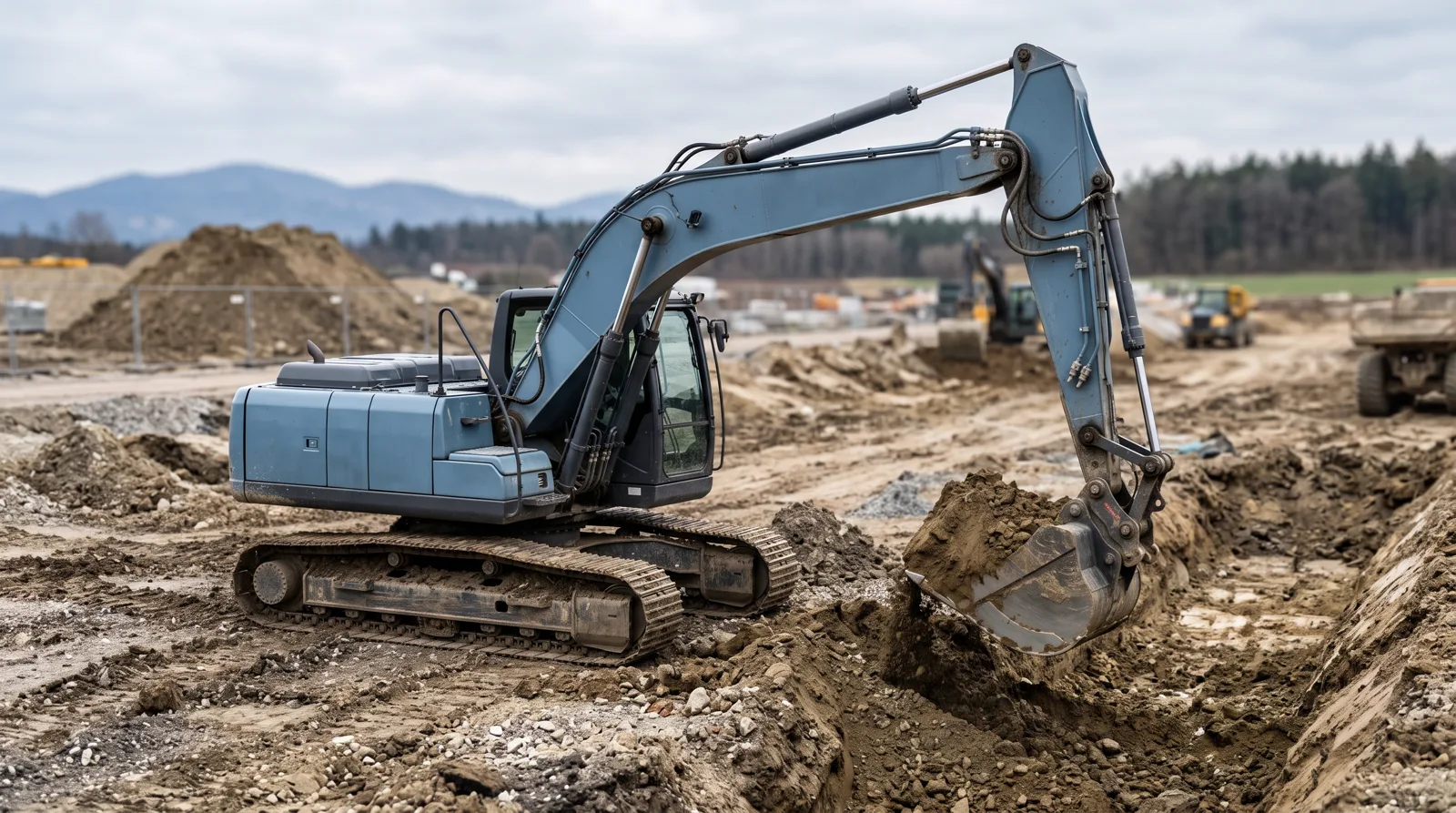
Excavator slew system
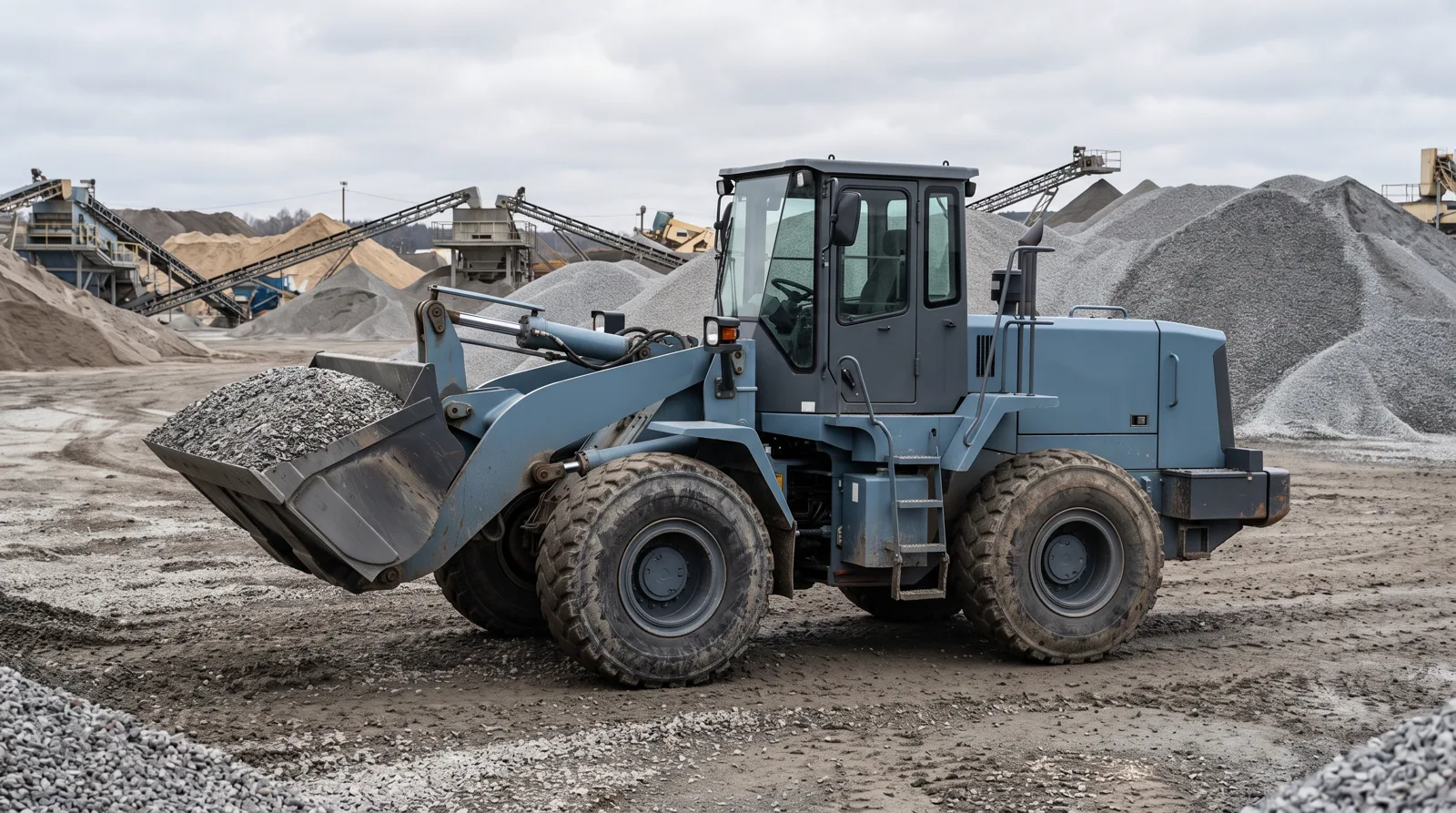
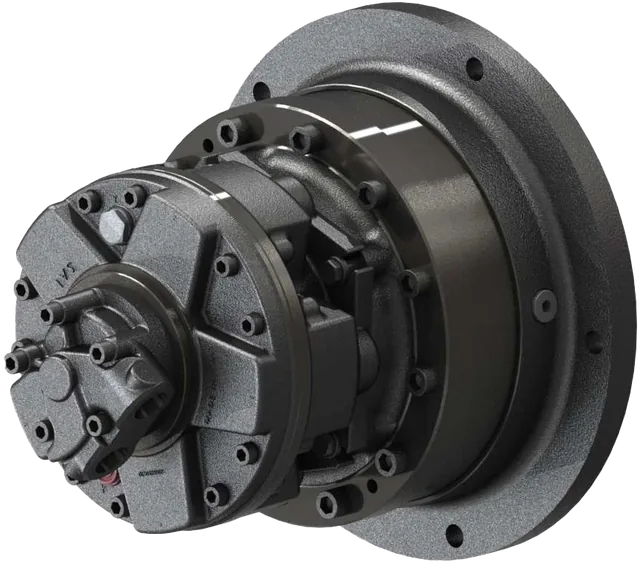
M+S orbital motor · Walvoil valve · top photos are AI-generated illustrations
WOORI ENTERPRISE
WOORI Enterprise — hydraulic pumps, motors, valves, coolers plus HMI & sensor controls. 199 stocked brands and 281 active partners, supporting construction, special-vehicle and agricultural machinery from spec sizing to delivery.
Applications
System configuration by application — line diagrams based on ISO 1219 fluid-power symbology (CI blue monotone).
M+S orbital motor · Walvoil valve · top photos are AI-generated illustrations
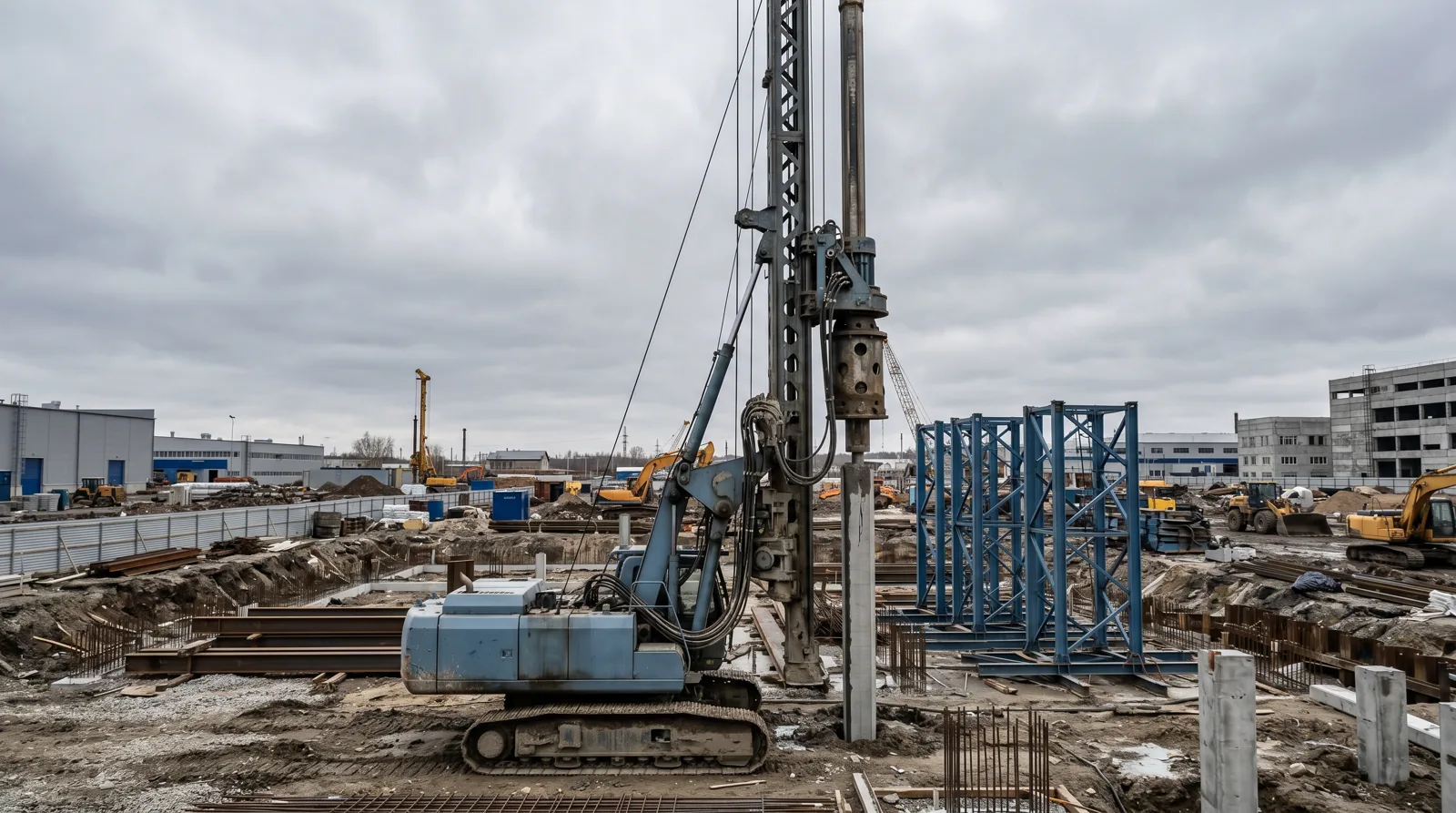
Casappa pump · CrossControl HMI
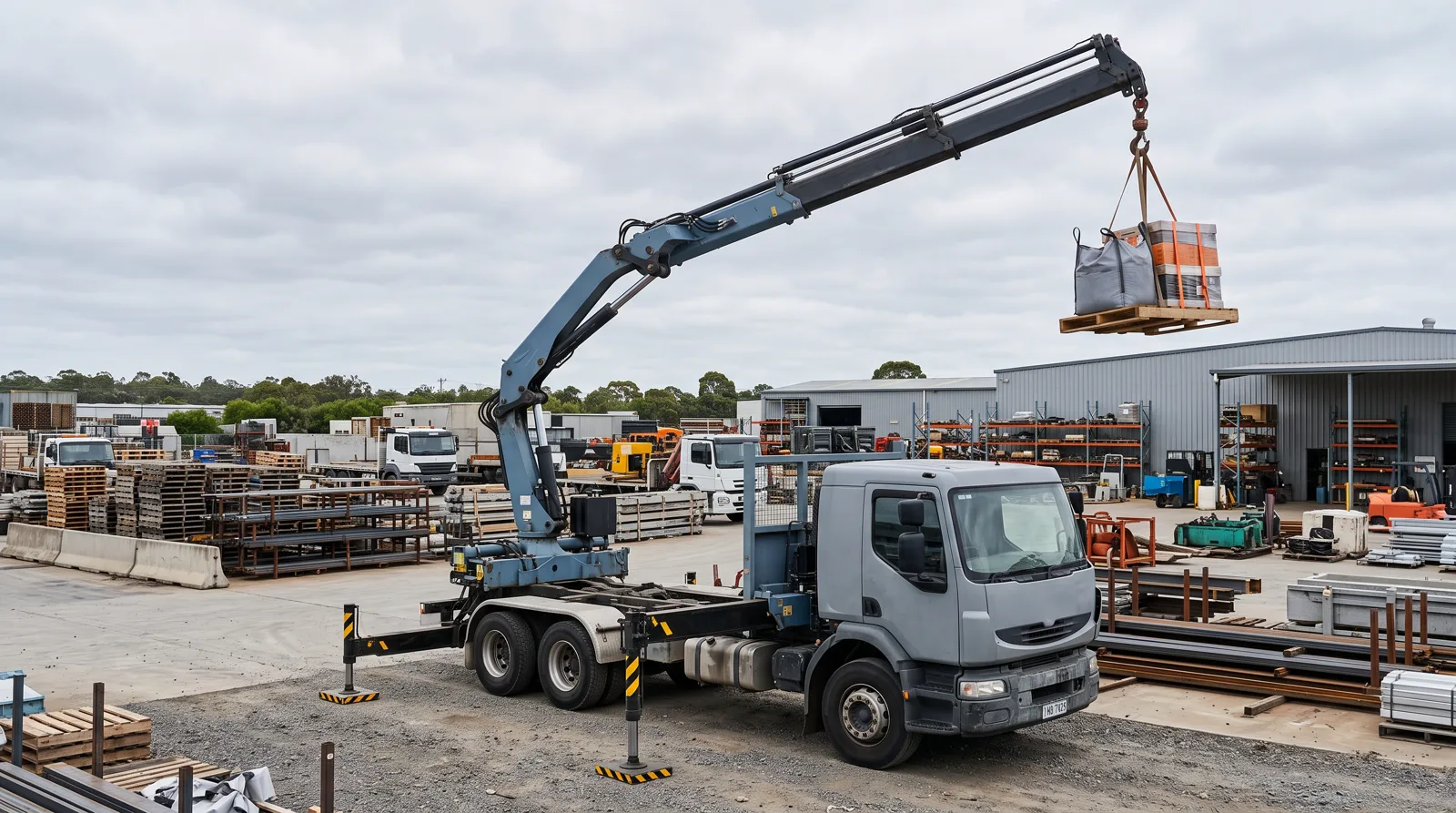
Bosch Rexroth · Gefran sensors
Line convention (ISO 1219) — thick solid: pressure · thin solid: return/suction · dashed: pilot/drain/signal · ▲: fluid energy direction
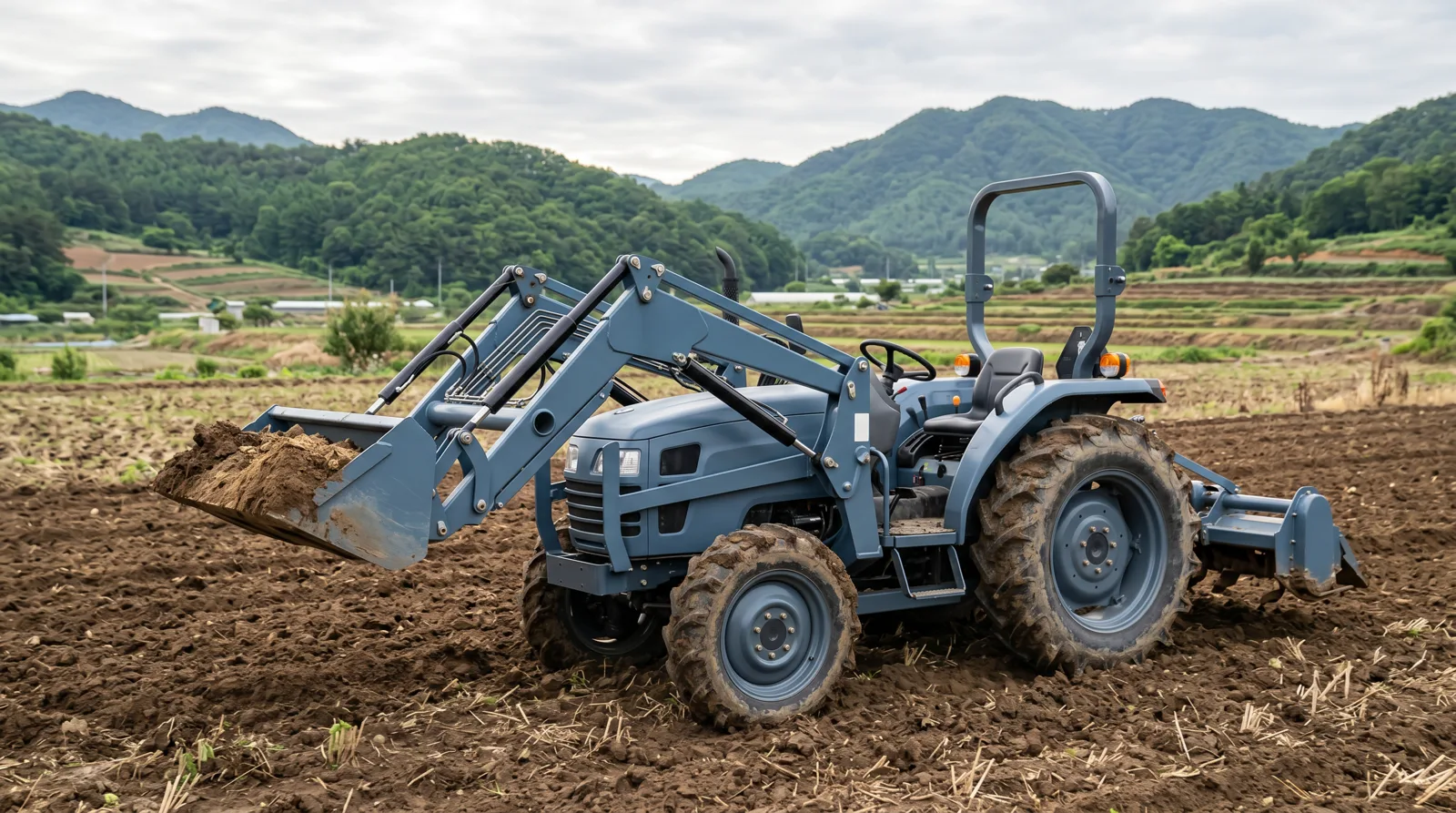
Products
Direct partner sourcing. Spec-table based — humans and AI read the same data.
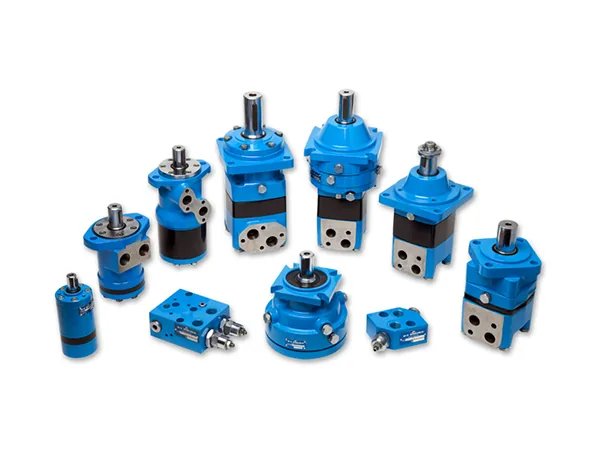
1,700+ items
Directional valves 480+ · Hydraulic motors 290+ · Pumps 140+ · Filters·Coolers·Accumulators 90+
500+ items
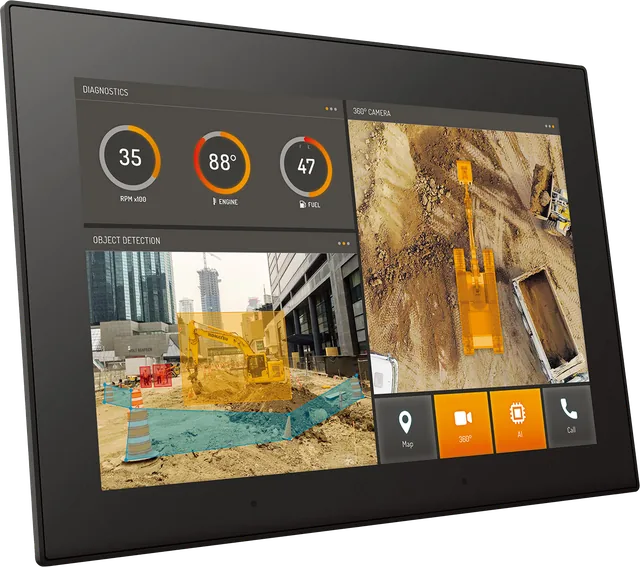
Sensors 90+ · Connectors 90+ · HMI displays 60+ · Controllers·Switches 60+
160+ items
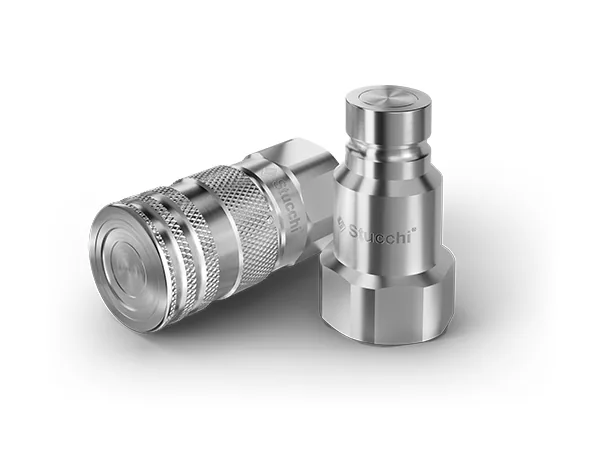
Housings 40+ · Elements 40+ · Fasteners 30+ · Quick couplings
100+ items
Drive accessories 40+ · Slewing gear 40+ · Winches·Gearboxes 15+
| Product line | Key brands | Spec range | Main applications |
|---|---|---|---|
 Hydraulic orbital motors Hydraulic orbital motors | M+S Hydraulic (MM·MP·MR·MS·MT·MH) | 8–800 cc/rev · ~280 bar | Excavator slew/travel, agricultural machinery |
 Hydraulic pumps Hydraulic pumps | Casappa · Bosch Rexroth · Caproni | ~150 cc/rev · ~250 bar | Cranes, special-purpose vehicles |
 Directional control valves Directional control valves | Walvoil (SD·SDM·SDS, 11 series) · Danfoss (PVG 32/120·PVE) | 45–240 L/min · up to 315 bar | Construction-equipment hydraulic circuits |
 Oil coolers Oil coolers | EMMEGI (HPA series · TM thermostat) · HERON | Air-cooled · ~120 kW | Hydraulic system heat rejection |
 Quick couplings · filters Quick couplings · filters | Stucchi · OMT | ISO-standard compatible | Line connection, contamination control |
 HMI displays HMI displays | CrossControl (CCpilot V710·V1000·V1200) | 7–12" touch · CAN/J1939 | Machine instrumentation & control UI |
 Industrial sensors Industrial sensors | Gefran | Pressure 0–400 bar · 4–20 mA | Instrumentation, automation |
 Radio remote control Radio remote control | ARCON (T series) · Scanreco | Proportional · multi-channel · explosion-proof capable | Crane/special-vehicle remote operation |
The same data is also exposed as JSON-LD ItemList at the top of this page.
Datasheets are available from each manufacturer's official catalog links. Contact us for model selection support.
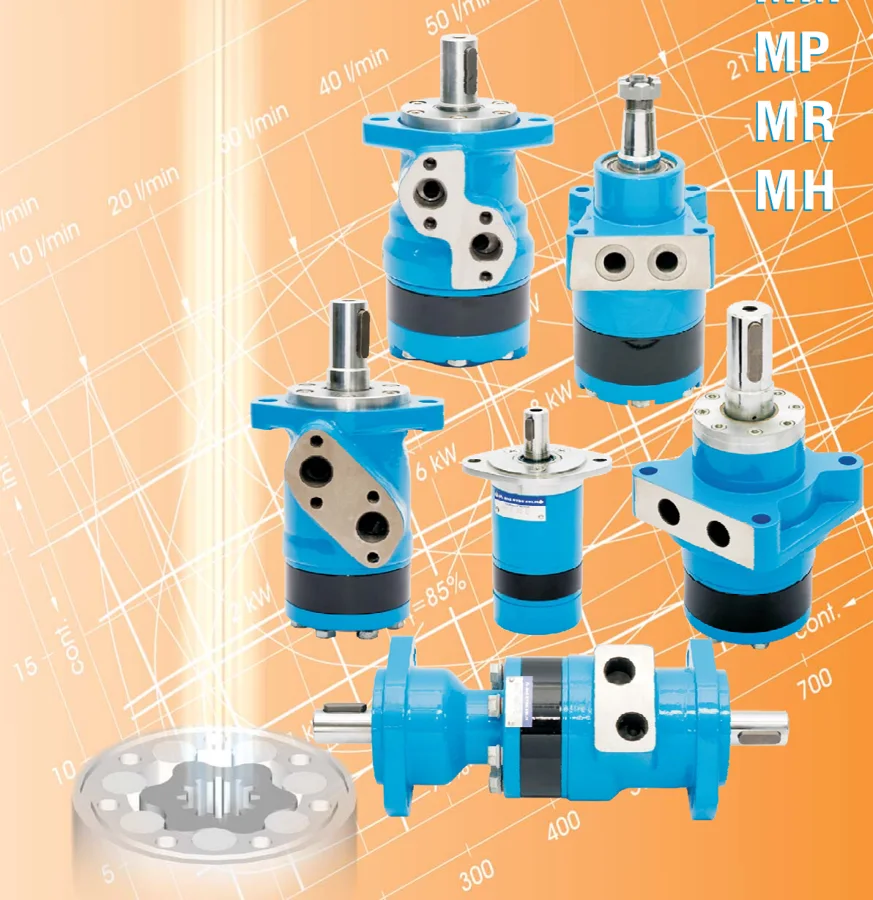
M+S Hydraulic — orbital motors
MM · MP · MR · MS · MT · MH series. Low-speed, high-torque geroler/disc-valve motors.
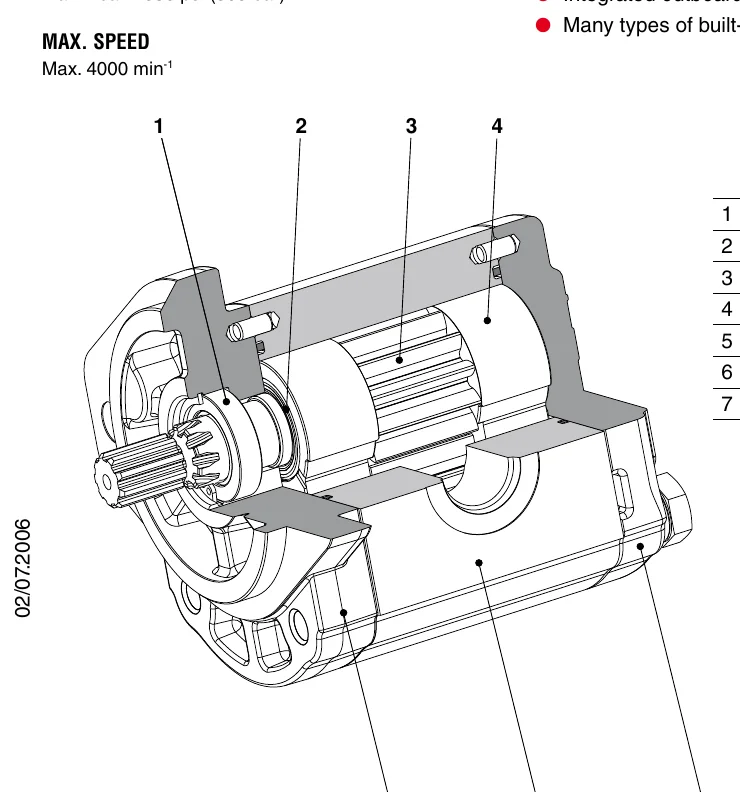
Casappa · Bosch Rexroth · Caproni — hydraulic pumps
Gear/piston pumps. Fixed and variable displacement.
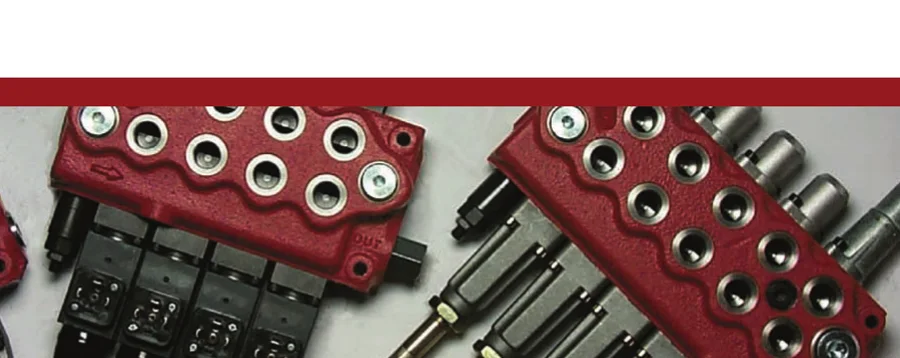
Walvoil — directional control valves
Sectional/monoblock directional control, load sensing.
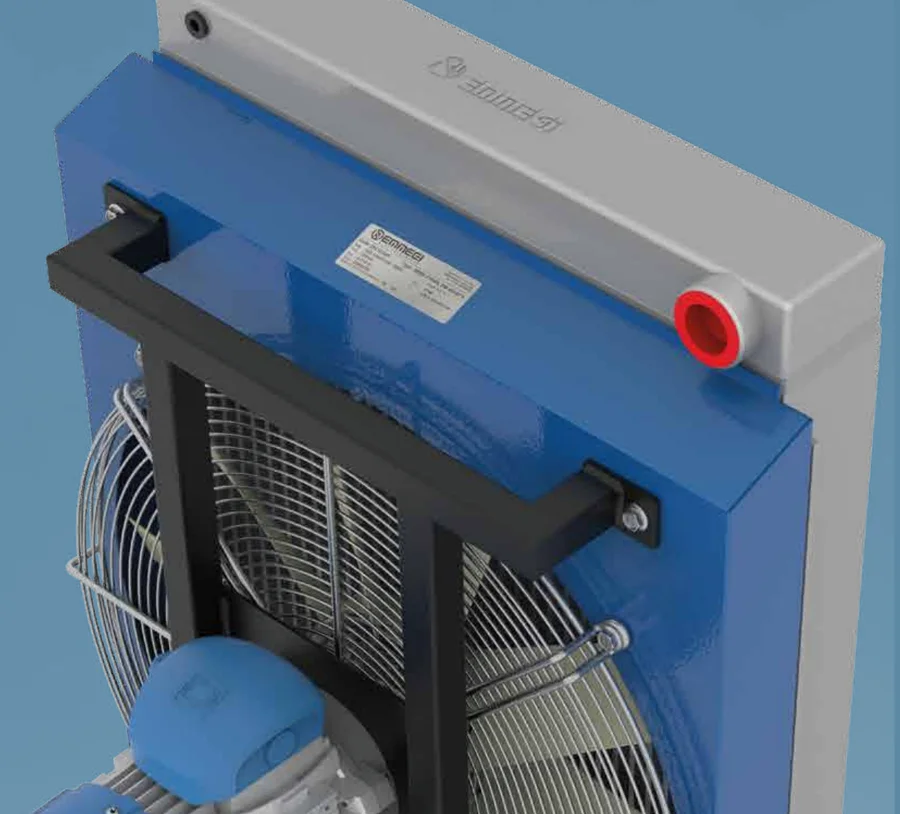
HPA series air-blast coolers + TM thermostats.
Stucchi · OMT — quick couplings & filters
Hydraulic line connection elements and contamination control.
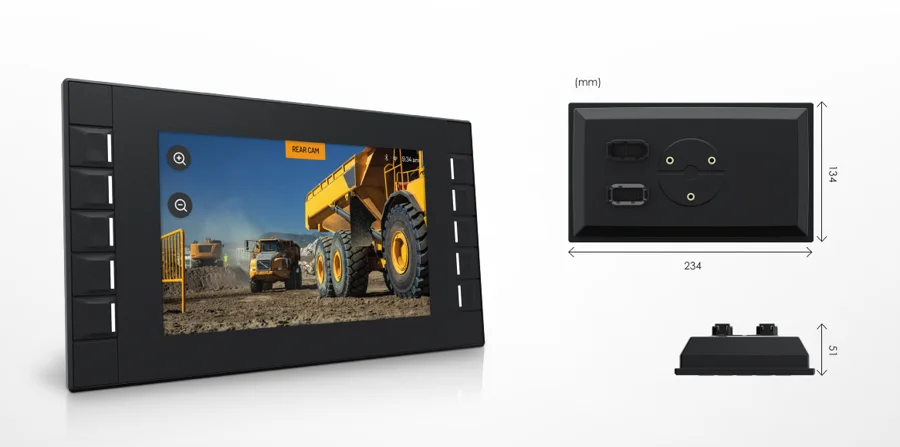
CrossControl · Gefran — HMI & sensors
Vehicle HMI displays, industrial sensors.
ARCON · Scanreco — radio remote control
Wireless proportional remote control systems for cranes and special-purpose vehicles.
Specifications per official partner catalogs. Exact per-model values, stock and compatibility are confirmed via contact. External links go to each manufacturer's official site.
Calculators
Code computes directly from engineering formulas (no estimation). Results link to the matching product line.
Pump flow Q = V·n / 1000
Pump (inverse) V = Q·1000 / n
Motor torque T = V·ΔP / 20π
Motor (inverse) V = T·20π / ΔP
Cylinder force F = P·πD²/4
Cylinder (inverse) D = √(4F / πP)
Cooler heat rejection Φ = Q·ΔP·(1-η) / 600
Electric motor power P = Q·ΔP / (600·η)
8 engineering formulas. Results link to the matching product line. Each calculator is also available as a standalone page. Exact models and stock are confirmed by quotation.
Control Systems
Beyond parts supply, our in-house controls team takes mobile-machinery electronic control systems from design through development, verification and production.
Development platforms: Bosch Rexroth BODAS RC · TTControl HY-TTC · Danfoss PLUS+1 · CODESYS — we build and maintain our own controller spec database of 26 models
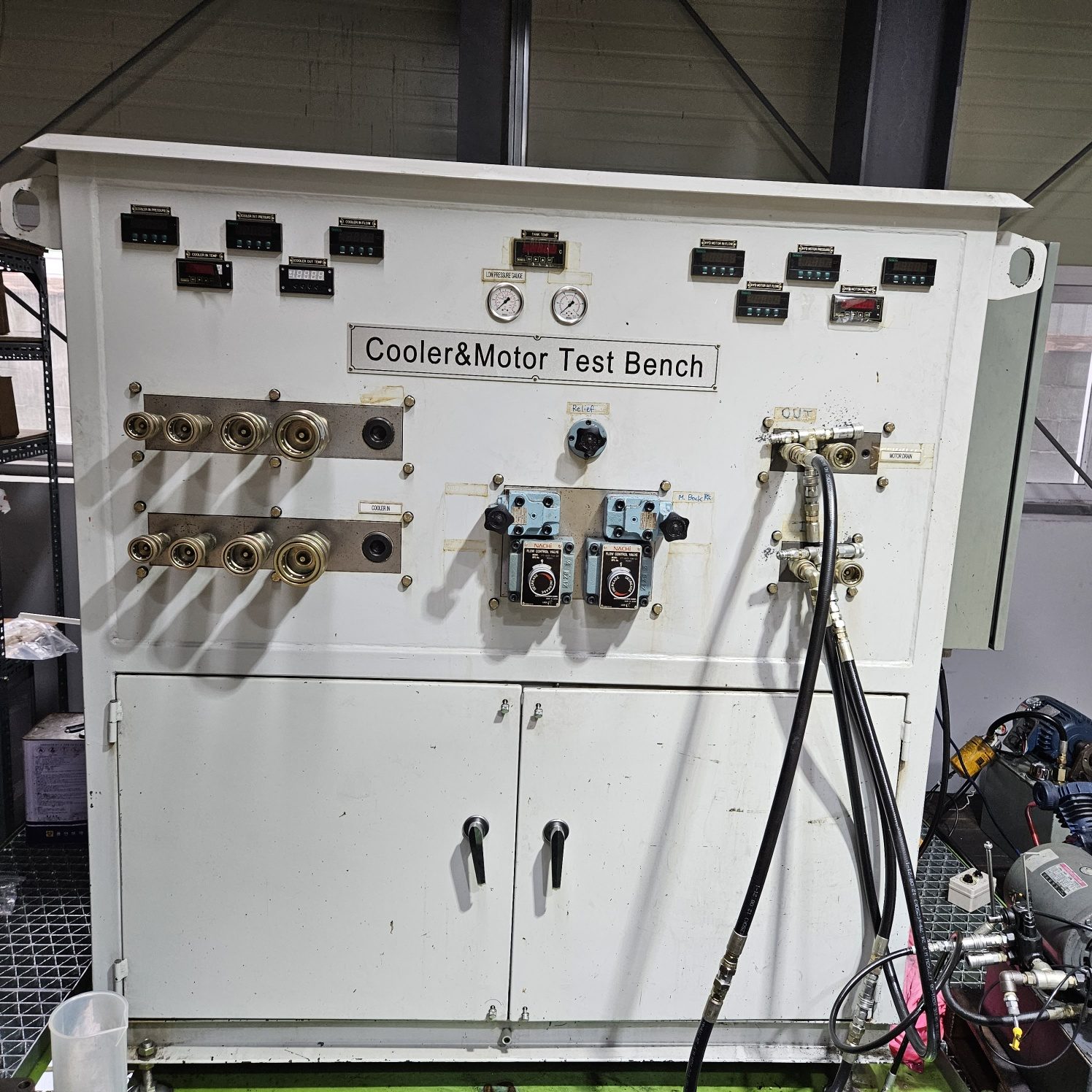
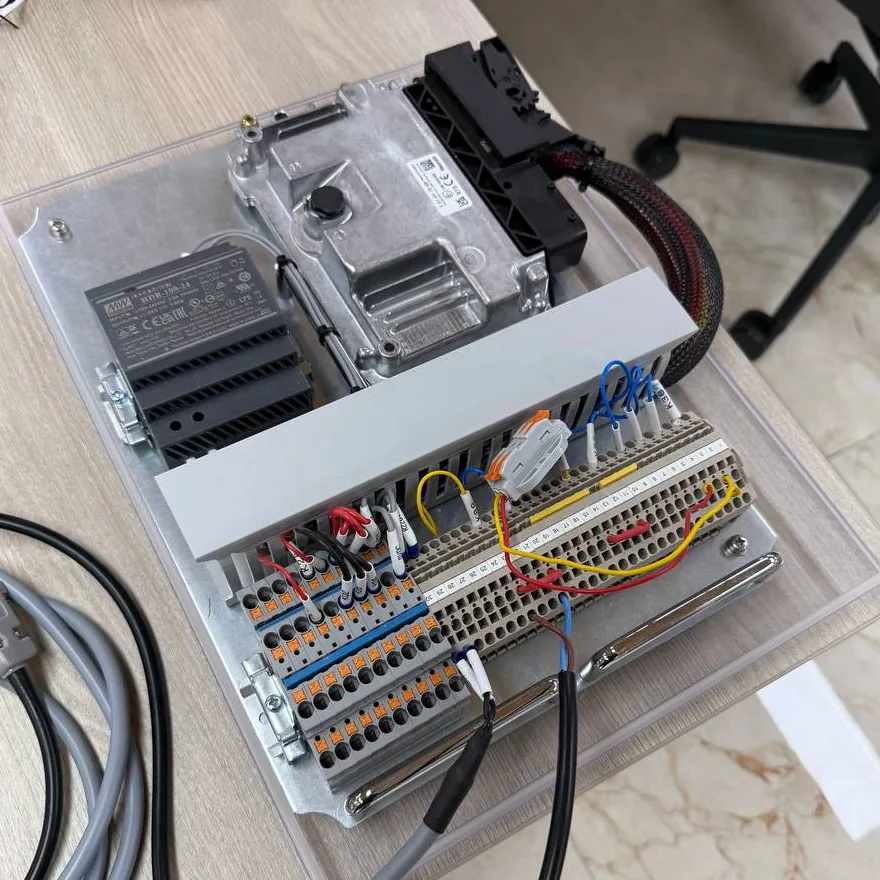
Customer names are confidential by contract. Detailed specs and references available on inquiry.
Automated transfer cart — logistics equipment manufacturer
Electro-hydraulic proportional control · CAN
Excavation attachment control — construction machinery manufacturer
Danfoss PLUS+1 · radio remote
Aerial ladder truck — special-vehicle manufacturer (export spec)
TTControl HY-TTC · CODESYS · completed
Special trailer — special-vehicle manufacturer
Bosch Rexroth BODAS · sensor fusion
Tech Notes
Troubleshooting · fundamentals · industry trends. AI-drafted, human-reviewed. Full articles are in Korean.
Summary: "No power" splits into low torque (pressure side) and low speed (flow side). Checking in order — relief setting → pump outlet pressure/flow → motor case drain → fluid viscosity/contamination → line losses → counterbalance valve → motor wear — narrows the cause quickly.
Key pass/fail criteria — case drain flow above 10% of rated suggests internal motor wear; pump flow 15–20% below rated suggests pump wear.
Summary: Controller selection comes down to five factors: I/O count (20–30% headroom), safety level (PL/SIL), development environment (C, CODESYS, GUIDE), CAN channel count and supply stability. We compared representative BODAS RC, HY-TTC and PLUS+1 models against our own controller spec database.
Rough direction — HY-TTC 32 class for small utility machines; BODAS RC 40 series or HY-TTC 508 class for PL d work functions; PLUS+1 when the design centers on Danfoss hydraulics.
Summary: Cavitation occurs when suction-side pressure falls below the fluid's vapor pressure — bubbles form and then collapse under discharge-side high pressure. It causes noise, vibration, metal erosion and efficiency loss.
Main causes — ① clogged suction filter/strainer ② undersized or overlong suction piping ③ excessive fluid viscosity (cold) ④ low tank oil level ⑤ pump overspeed.
Fixes — inspect/replace the suction filter, size the suction line properly (suction vacuum ≤ 0.2 bar recommended), correct-viscosity fluid and pre-heating, adequate oil level, respect rated speed. Consider a boost pump or pressurized tank.
Summary: A hydraulic circuit has four building blocks: power source (pump), control (valves), actuators (cylinders/motors) and auxiliaries (tank, filter, cooler). Flow produced by the pump is directed, pressure- and flow-controlled by valves and converted to work at the actuator.
Key relationship — flow Q determines speed; pressure P determines force/torque. Motor torque T = V·ΔP/20π, pump flow Q = V·n/1000 (see the calculators on this page).
Design order — actuator requirements (force, speed) → required pressure & flow → pump/valve selection → heat rejection (cooler) & filtration design. Use our engineering tools for a first-pass sizing, then match to partner products.
Summary: With electrification of construction and special-purpose machinery, engine-driven hydraulics are moving to electric-motor + hydraulic hybrids. Hydraulics remain essential where power density matters, and integration with electronic control (sensors, HMI) is accelerating.
Changes — ① on-demand electric pumps (run only when needed, saving energy) ② electro-proportional valves with closed-loop sensor feedback ③ CAN-based integrated control and diagnostics.
Implication — combined hydraulics+control spec design matters more than single-part supply. WOORI Enterprise matches M+S/Walvoil hydraulics with CrossControl/Gefran control in one place.
Technical articles are AI-drafted then human-reviewed. Articles are currently published in Korean. For field questions, use contact.
FAQ
The most common questions from real inquiries. For case-specific checks, use contact.
Stocked items (2,500+ SKUs) can ship immediately after confirmation. Lead times for overseas orders vary by brand and item — send the part number and quantity and we will confirm stock and delivery right away.
Fastest: the part number (model) or a nameplate photo of the currently installed unit, quantity, and desired delivery date. If you do not know the part number, we help select one from the target machine and required specs (pressure, flow, voltage, etc.).
Yes. We have supplied explosion-proof radio and wired remote controls such as ARCON. Please include the required certification standard (area classification) with your inquiry.
Yes. Send drawings, specifications or a nameplate photo and we will review dimensional, port and spec compatibility and propose a replacement model from the brands we carry.
Availability of spare parts (e.g. seal kits) and repair support varies by brand. Give us the target part number and the symptom and we will confirm what support is possible.
Requirements analysis → system design → control SW development (CODESYS, PLUS+1) → bench verification → on-machine calibration → production support. See the Control Systems section for the full process.
Company
WOORI Enterprise Co., Ltd. supplies hydraulic pumps, motors, valves, coolers and electric/electronic control components. We provide industrial hydraulic and control solutions for construction equipment, special-purpose vehicles, agricultural and geotechnical machinery.
Contact
Send quotation, technical and compatibility inquiries below. Quotations answered promptly on business days.
woori@woorienterprise.com
Phone / Fax
+82-51-324-7500 / 7510
Address
5, Saebyeoksijang-ro 133beon-gil, Sasang-gu, Busan
10, Baekseokgongdan 1-ro, Seobuk-gu, Cheonan
RFQ cart
Add items and request one quotation — prompt reply on business days
Prefer phone? +82-51-324-7500